
Description
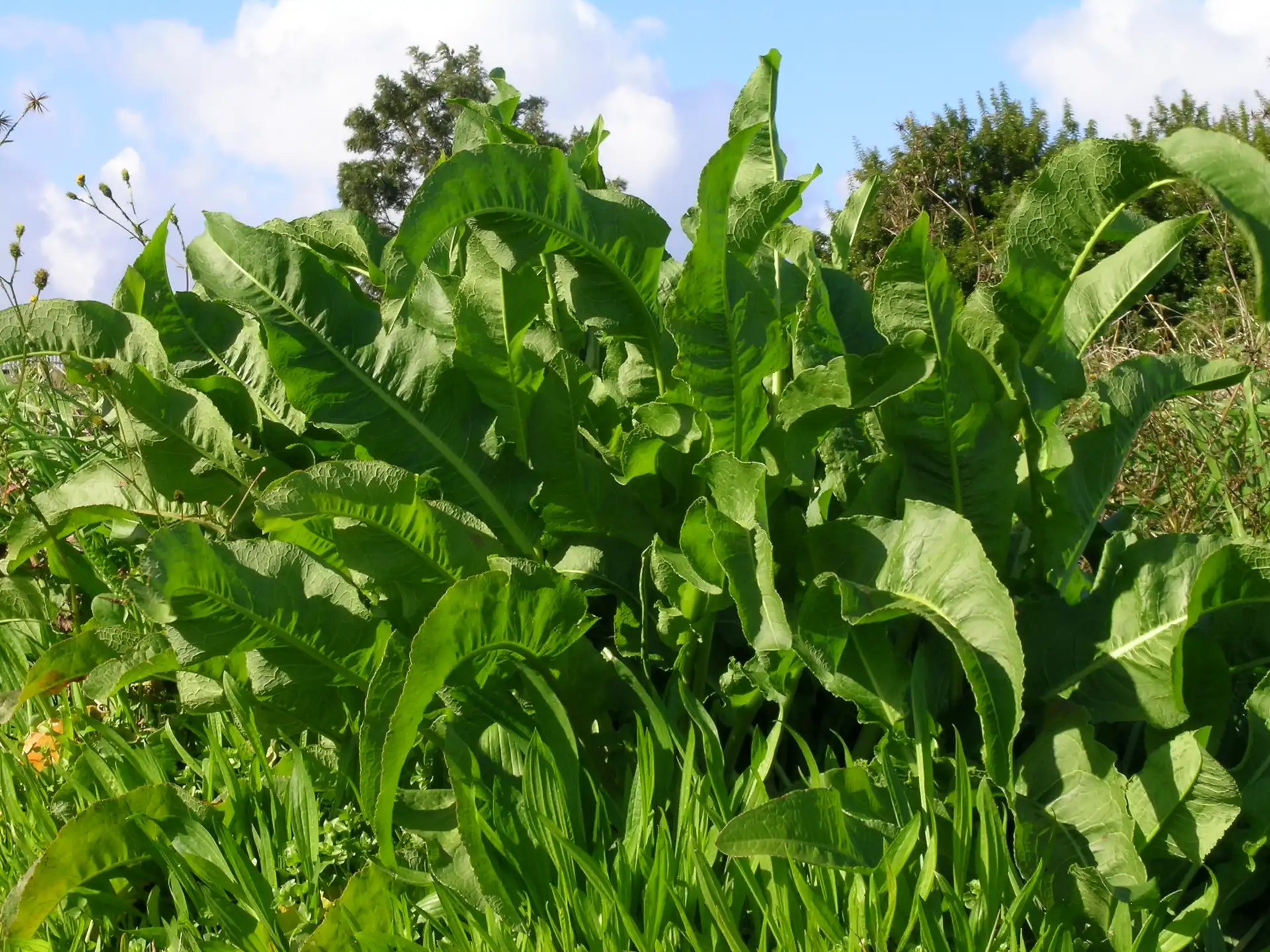
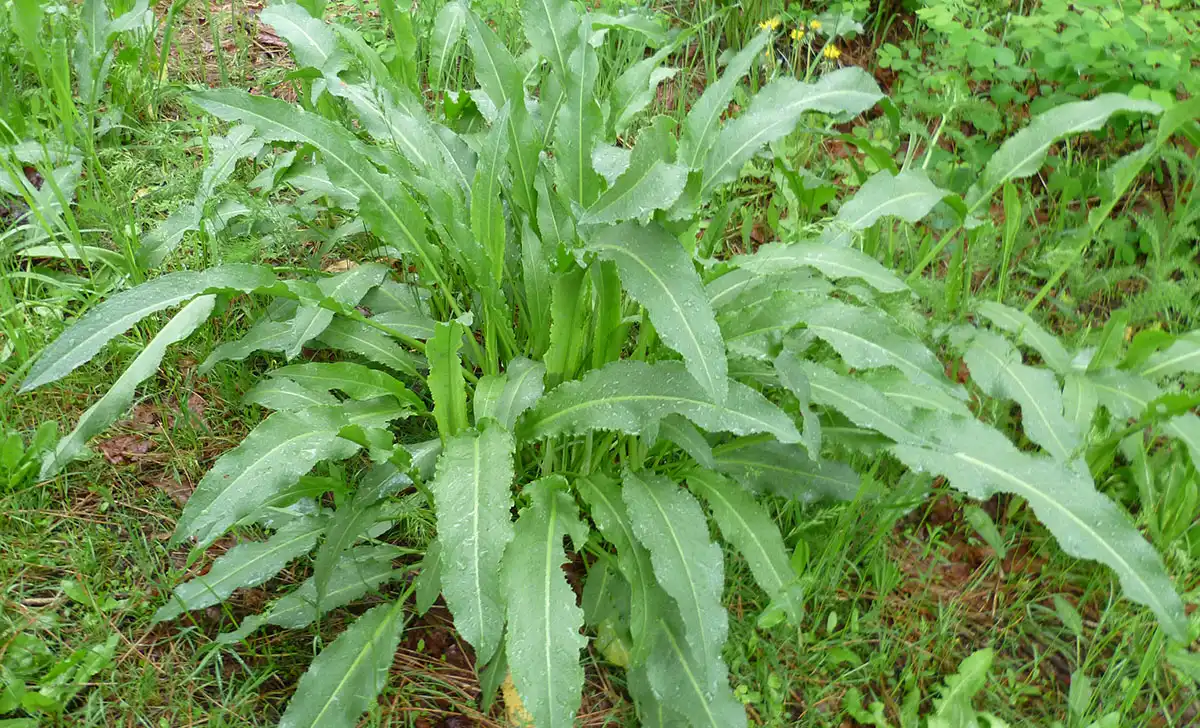
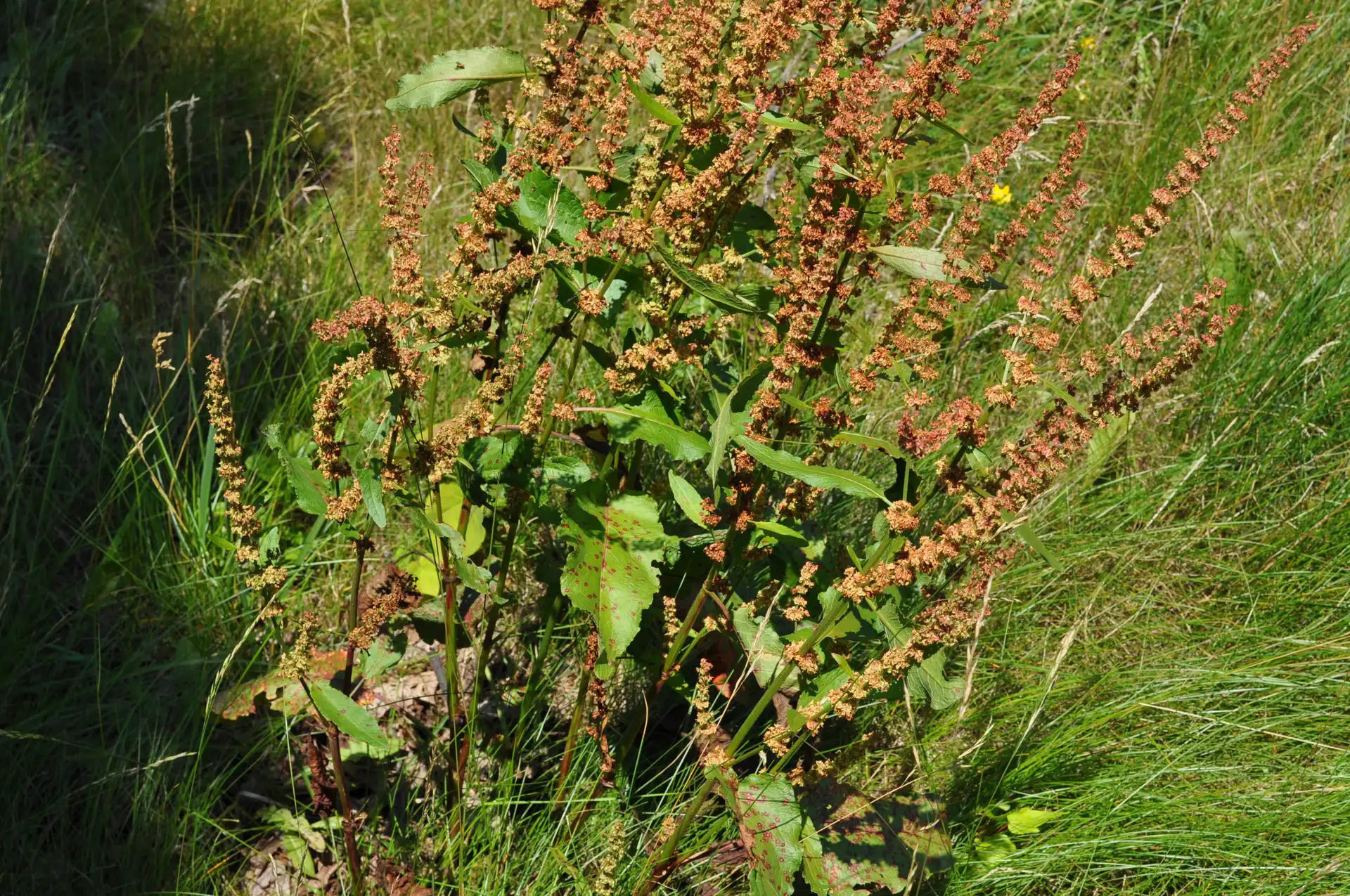
This is Yellow Dock.
Yellow Dock species description: Yellow Dock blooms from June to October. USDA Hardiness Zones: 4-8. A fabulous weed to have around. It doesn’t ever seem to take over or dominate an area here at Rainbow Grove, it just sort of shows up from time to time throughout the years. Although it’s high in oxalis acid you can make it edible by boiling it heavily and then throwing the water out. It also has a very long history with loads of uses.
| Seeds Per Gram: | 340 |
|---|---|
| SKU: | FH17 |
| Common Name: | Yellow Dock |
| Latin Name: | Rumex crispus |
| Family: | Polygonaceae |
| Bloom (species): | from June to October |
| Other Common Names: | Curly Dock, Curled Dock |
| Lifecycle: | Perennial |
| Height: | 2ft |
| Width: | 1ft |
| Hardiness (species): | 4-8 |
| Sun: | Full, Partial |
| PNW Naturalized: | Yes |
| Native Range: | Most of Europe, including Britain, to North Africa |
| Naturalized Range: | North America, southern South America, New Zealand, Australia |
| Habitats: | Growing almost anywhere, it is found especially in grassy places, waste ground, roadsides and near sand dunes and is a serious weed of agriculture. Woodland Garden, Dappled Shade, Shady Edge, Meadow |
| Soil PH: | 5.5-8 |
| Soil Type: | Sand, Loam, Clay |
| Flower Type: | Hermaphroditic |
| Wildlife Supported: | Moths |
| Food Uses: | Leaves – raw or cooked. They can also be dried for later use. The leaves can be added to salads, cooked as a potherb or added to soups. Only the very young leaves should be used, preferably before the stems have developed, and even these are likely to be bitter. If used in early spring and in the autumn they can often be fairly pleasant tasting. The leaves are very rich in vitamins and minerals, especially iron and the vitamins A and C. A nutritional analysis is available. Stems – raw or cooked. They are best peeled and the inner portion eaten. Seed – raw or cooked. It can be used as a piñole or can be ground into a powder and used as a flour for making pancakes etc. The seed is very fiddly to harvest and prepare. The roasted seed has been used as a coffee substitute. |
| Other Uses: | Yellow, dark green to brown and dark grey dyes can be obtained from the roots. They do not need a mordant. An alternative ingredient of ‘QR’ herbal compost activator. (is it the flowers?) This is a dried and powdered mixture of several herbs that can be added to a compost heap in order to speed up bacterial activity and thus shorten the time needed to make the compost. |
| Sources: | pfaf.org wikipedia.org |


Reviews
There are no reviews yet.