
Description
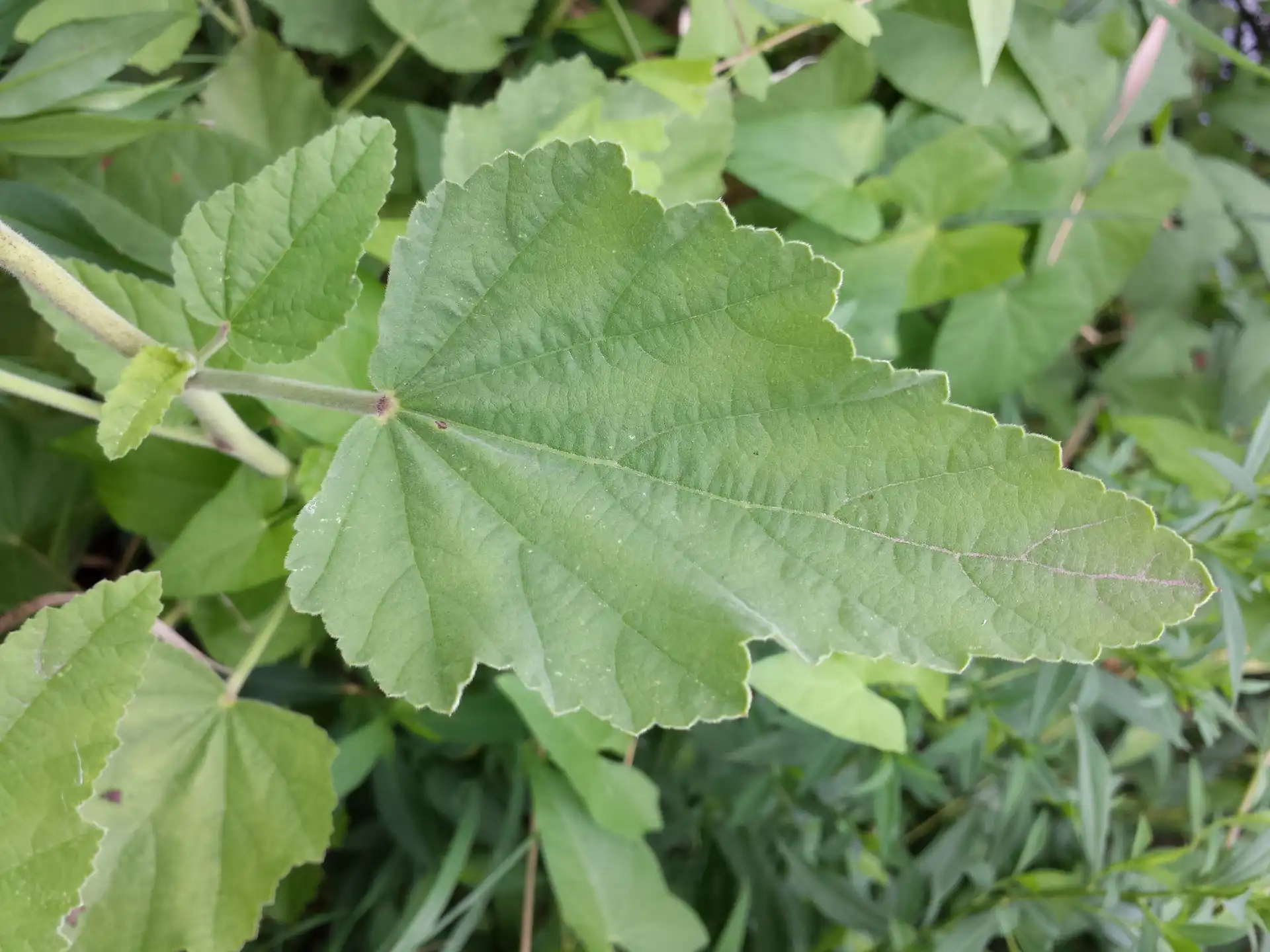
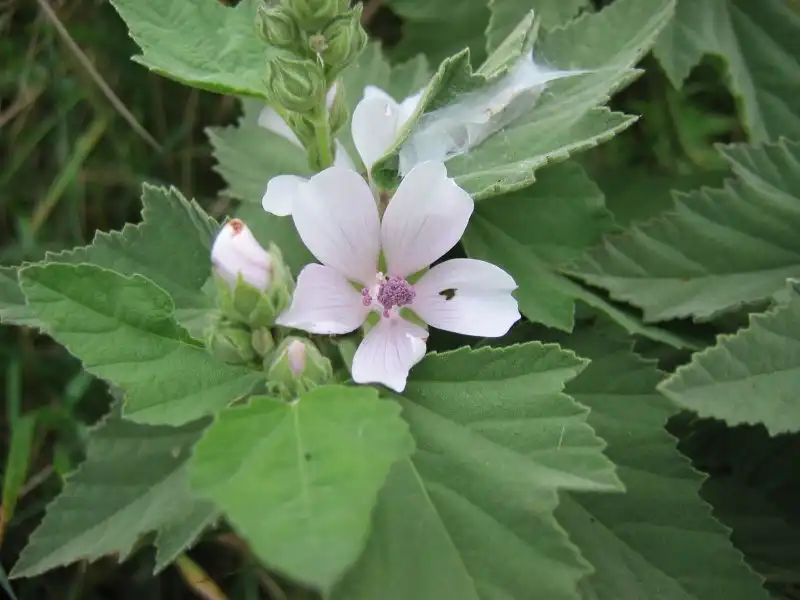
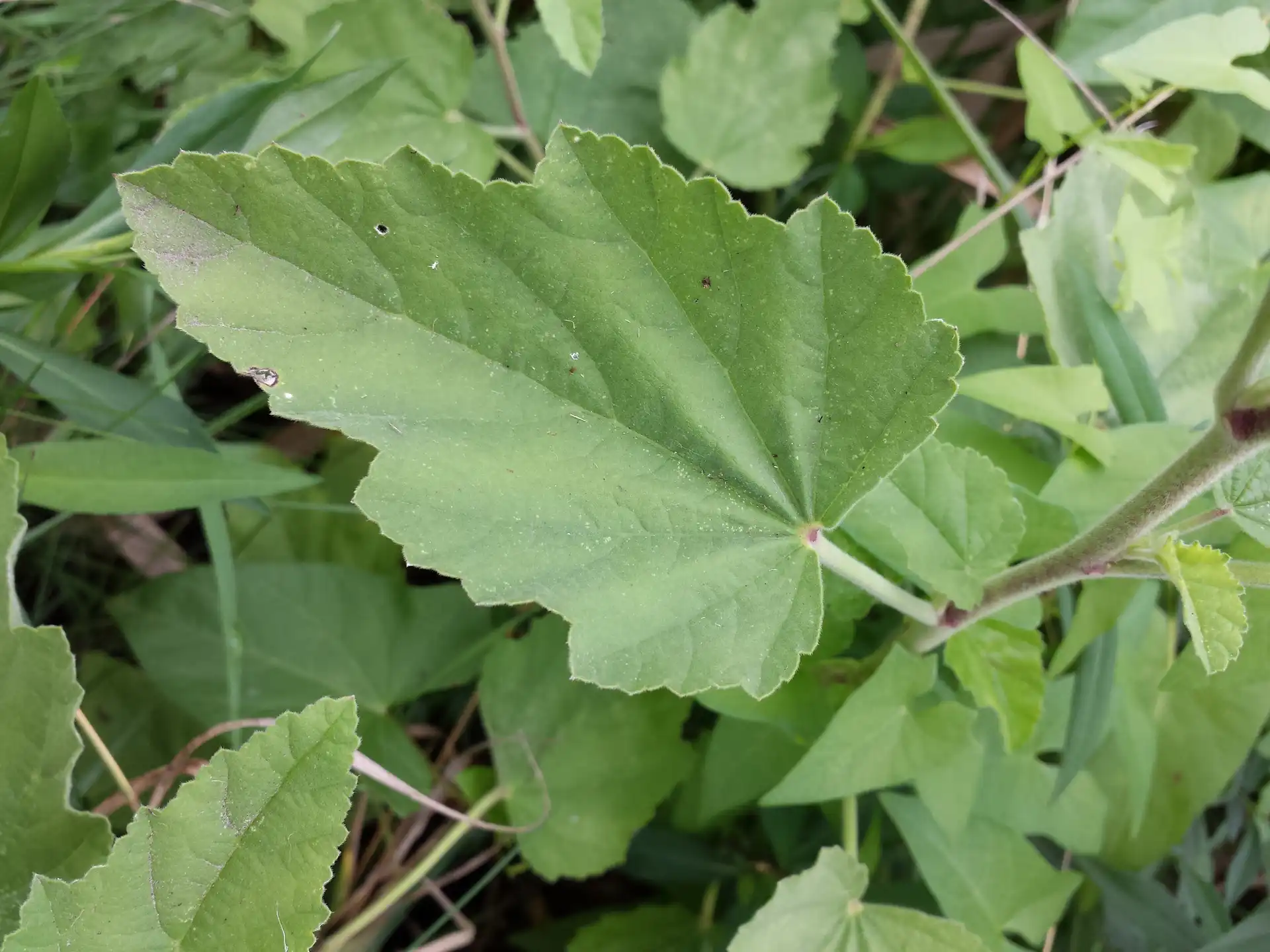
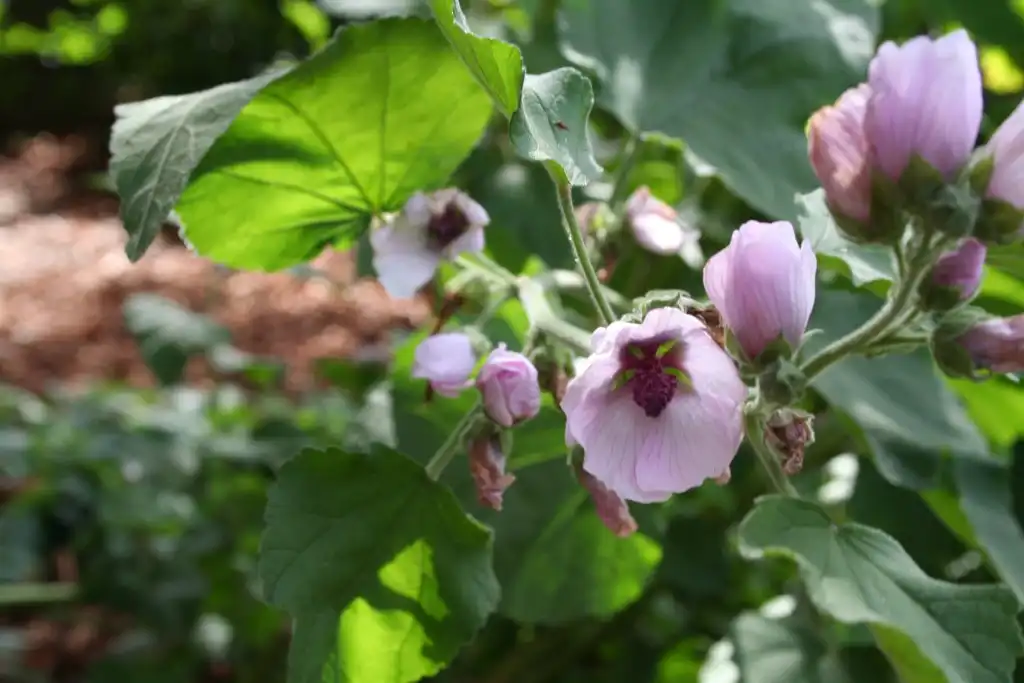
This is Marshmallow.
Marshmallow species description: Marshmallow is ornamental. USDA Hardiness Zones: 3-8. Although Marshmallow roots are no longer used as the principle ingredient for our campfire treats, the plant remains a staple for herbalists and ornamental garden enthusiasts. Although they have MARSH in their name, these plants also grow wonderfully in our gardens and food forest situations, especially with some dappled shade.
| Seeds Per Gram: | 300 |
|---|---|
| SKU: | FH13 |
| Common Name: | Marshmallow |
| Latin Name: | Althaea officinalis |
| Family: | Malvaceae |
| Tree (species): | ornamental |
| Other Common Names: | Marsh Mallow, Common Marshmallow |
| Lifecycle: | Perennial |
| Forest Layer: | Herb, Shrub |
| Food Type: | Vegetable, Herb, Tea |
| Height: | 4-6ft |
| Width: | 30in |
| Hardiness (species): | 3-8 |
| Sun: | Full, Partial |
| Native Range: | Central and southern Europe, including Britain, to N. Africa and W. Asia. |
| Habitats: | The upper margins of salt and brackish marshes, sides of ditches and grassy banks near the sea. |
| Soil PH: | 5.5-8 |
| Soil Type: | Sand, Loam, Clay |
| Water Needs: | Average |
| Flower Type: | Hermaphroditic |
| Pollinated By: | Bees |
| Wildlife Supported: | Bees |
| Food Uses: | Leaves – raw or cooked. They are used as a potherb or to thicken soups. When used as a small proportion with other leaves, the taste and texture is acceptable, but if a lot of the leaves are cooked together their mucilaginous texture makes them unpalatable. The leaves can be eaten raw but are rather fibrous and somewhat hairy, though the taste is mild and pleasant. We have found them to be quite acceptable in salads when chopped up finely. Root – raw or cooked. When boiled and then fried with onions it is said to make a palatable dish that is often used in times of shortage. The root is used as a vegetable, it is also dried then ground into a powder, made into a paste and roasted to make the sweet ‘marshmallow’. The root contains about 37% starch, 11% mucilage, 11% pectin. The water left over from cooking any part of the plant can be used as an egg-white substitute in making meringues etc. The water from the root is the most effective, it is concentrated by boiling until it has a similar consistency to egg white. A tea is made from the flowers. A tea can also be made from the root. |
| Other Uses: | The dried root is used as a toothbrush or is chewed by teething children. It has a mechanical affect on the gums whilst also helping to ease the pain. The root is also used as a cosmetic, helping to soften the skin. A fiber from the stem and roots is used in paper-making. The dried and powdered root has been used to bind the active ingredients when making pills for medicinal use. A glue can be made from the root. The root is boiled in water until a thick syrup is left in the pan, this syrup is used as a glue. An oil from the seed is used in making paints and varnishes. |
| Sources: | pfaf.org wikipedia.org davesgarden.com |
Reviews
There are no reviews yet.