


Description
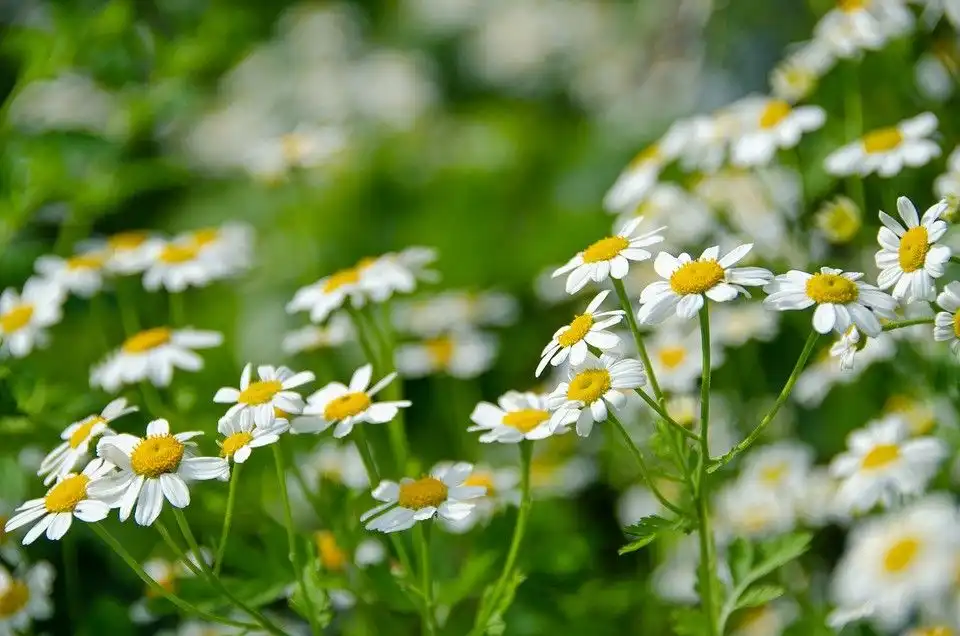
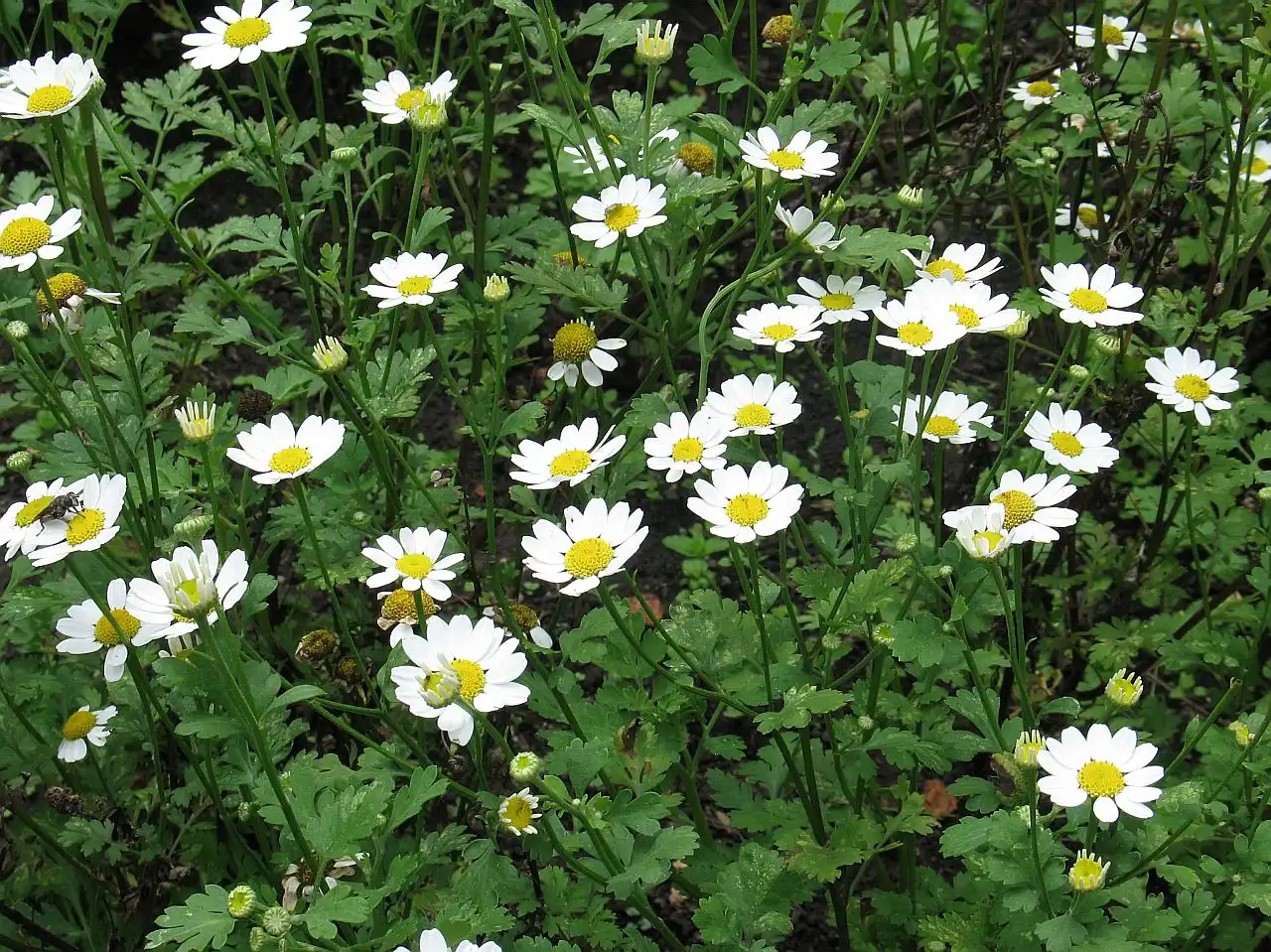
This is Feverfew.
Feverfew species description: Feverfew is ornamental, is self-fertile and has white petals with a yellow center flowers. USDA Hardiness Zones: 5-8. This flowery plant mixes the aroma of chamomile and mugwort and is a great filler in an herb garden or herb layer in a food forest. Feverfew has been used for hundreds of years in foods, teas, remedies, and perfumes.
| Seeds Per Gram: | 7000 |
|---|---|
| SKU: | FH11 |
| Common Name: | Feverfew |
| Latin Name: | Tanacetum parthenium |
| Family: | Asteraceae |
| Bloom (species): | white petals with a yellow center |
| Tree (species): | ornamental |
| Pollination (species): | self-fertile |
| Other Common Names: | Matricaria, Pale Maids, Pellitory |
| Other Latin Names: | Chrysanthemum parthenium, Pyrethrum parthenium, Aphanostephus pinulensis, Matricaria parthenium, Parthenium matricaria |
| Lifecycle: | Perennial |
| Forest Layer: | Herb |
| Food Type: | Herb, Tea |
| Height: | 2ft |
| Width: | 1ft |
| Hardiness (species): | 5-8 |
| Sun: | Full |
| Native Range: | S.E. Europe to Asia. |
| Habitats: | Mountain scrub, rocky slopes, walls, waste places and a weed of gardens, avoiding acid soils. |
| Soil PH: | 6-8 |
| Soil Type: | Sand, Loam, Clay |
| Water Needs: | Average |
| Flower Type: | Hermaphroditic |
| Pollinated By: | Bees, Flies |
| Propagation: | Seed – sow spring in a greenhouse. Only just cover the seed and do not allow the pot to dry out. When they are large enough to handle, prick the seedlings out into individual pots and plant them out in early summer, after the last expected frosts. If you have sufficient seed it can be sown outdoors in situ during the spring. Plants usually self-sow freely and so, once you have the plant, further sowing is usually unnecessary. Division in spring. Since the plants are quite short-lived, this method is not really very serviceable. |
| Wildlife Supported: | Bees |
| Food Uses: | The dried flowers are used as a flavoring in cooking certain pastries. The plant is used in cooking to impart a deliciously aromatic bitter taste to certain foods. A tea is made from the dried flowers. |
| Other Uses: | The dried flower buds are a source of an insecticide. They are said to have the same properties as pyrethrum (obtained mainly from T. cinerariifolia). Steep 1 cupful of the dried flowers in one liter of hot soapy water for an hour. Strain, then allow to cool slightly before use. An essential oil from the plant is used in perfumery. |
| Sources: | pfaf.org wikipedia.org |


Reviews
There are no reviews yet.